Tesla Roadster: what is the car – and what is still a promise?
The technology behind the sports car demands a clear distinction between prototype, target and verified capability.
Tesla’s second Roadster was unveiled as a prototype back in 2017. But reports of a later debut, new versions and airborne demonstrations need evidence. Here, we separate the documented car from technical possibilities and unconfirmed claims.
 By Amir HaddadTechnology editor · Future cars and modern cars
Translated from Swedish with the help of AI.
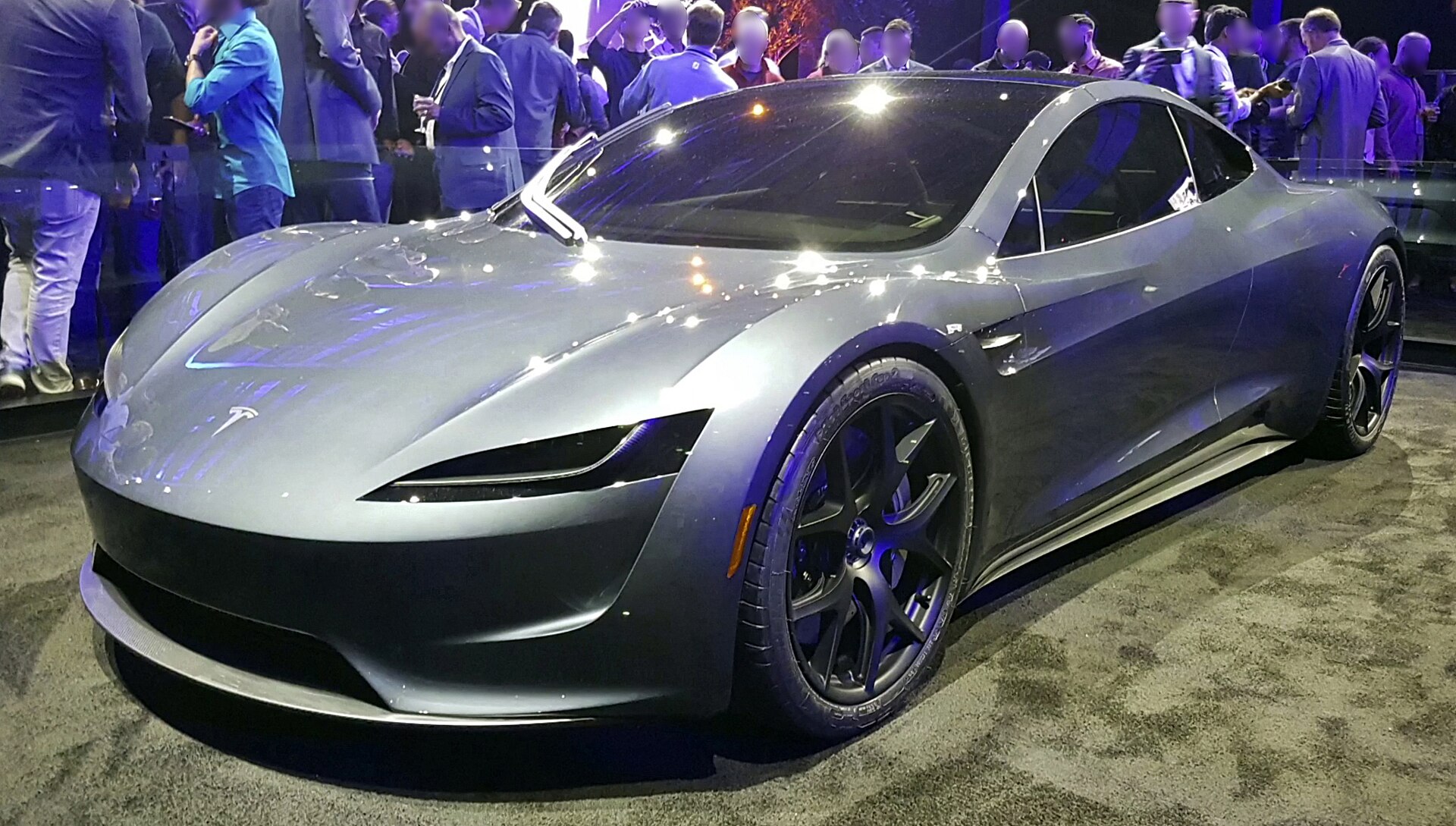
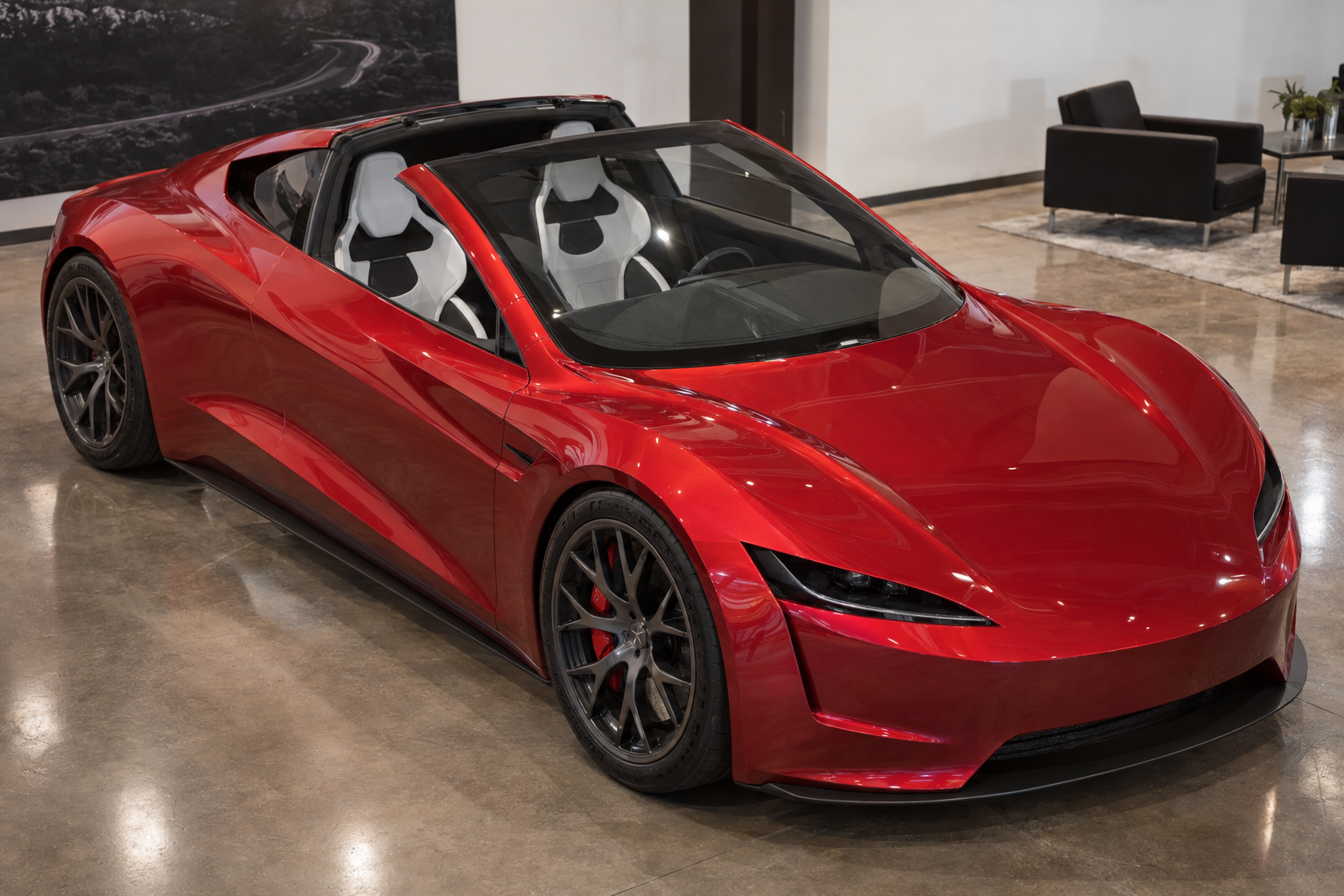
The second-generation Tesla Roadster is an electric sports car prototype unveiled in November 2017, not a finished production car with a confirmed model year. It attracted attention for Tesla’s extreme performance targets and its combination of a removable glass roof, four seats and four-wheel drive. The interest lies as much in the engineering challenges as in the figures: how do you turn a spectacular promise into repeatable acceleration, braking and cornering?
The background material for this article also describes a presentation on 15–16 October 2026 and Thrust, Performance and Rocket versions. These details cannot be verified using the sources underpinning this text. The same applies to the demonstration attributed to SVT and production starting in 2028. They are therefore not treated as confirmed news.
Background: the prototype is the starting point
The first Tesla Roadster was the brand’s introduction to the motoring world. Its successor, unveiled in 2017, had a different brief: to put Tesla among the very fastest sports cars. Despite sharing a name, the generations should not be confused. The new prototype was presented with a different body and an entirely different level of claimed performance.
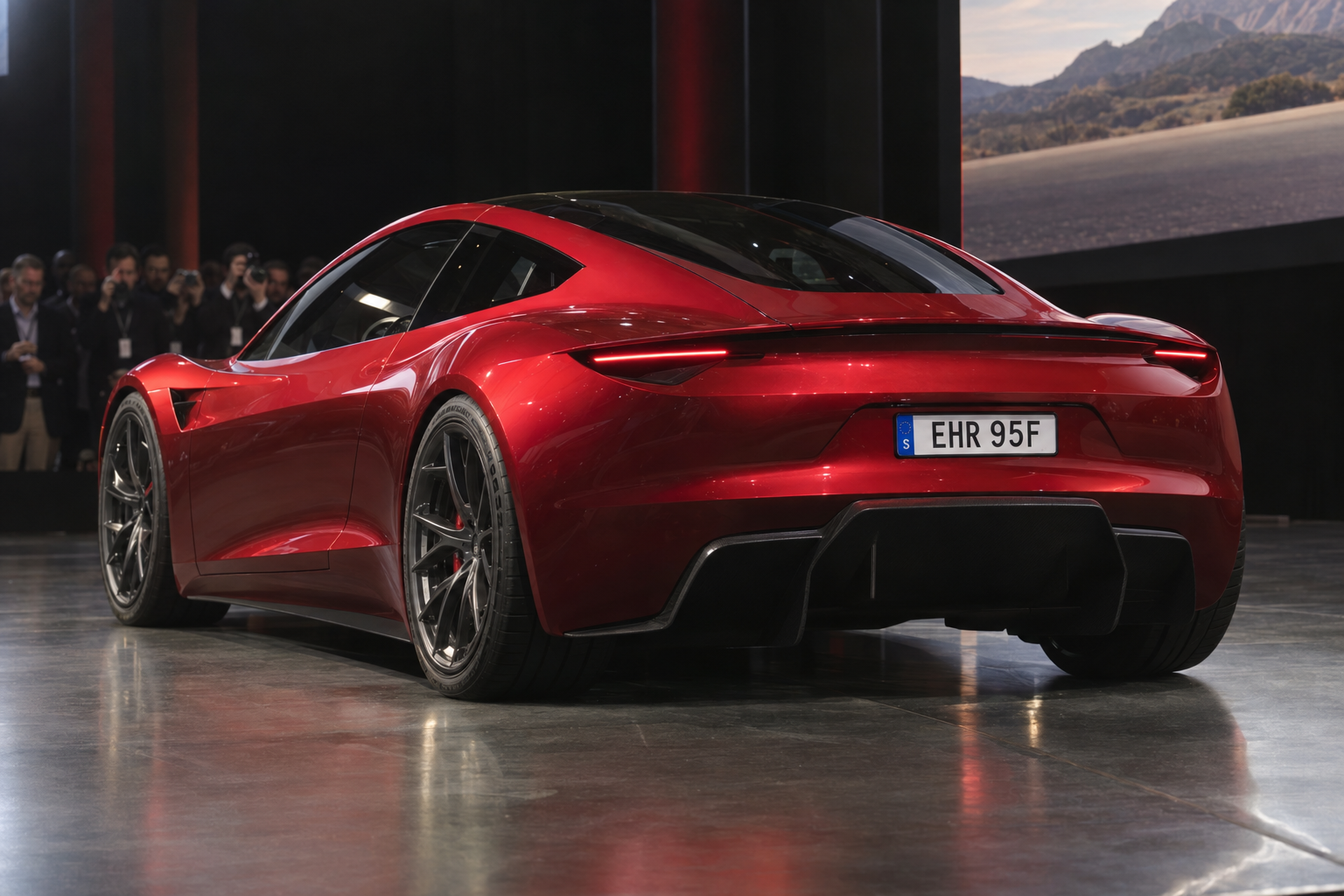
Tesla described the car as a four-seater, although the rear seats were small. The claim that a later base model would be a two-seater therefore requires new, dated product documentation. A change is possible during development, but it cannot be established by layering unconfirmed version names onto the original presentation.
The choice of words matters here, too. The manufacturer’s published acceleration figures are targets or its own claims, not automatically independent test results. A drivable demonstration car shows that a project has physical form. It does not show that a car ready for delivery can achieve the same performance under all relevant conditions.
Technology: tyre grip first, air forces second
In a conventional electric sports car, power flows from the battery through the power electronics to the motors and onwards to the wheels. At launch, tyre grip is a crucial limiting factor. More motor power does not deliver ever-faster acceleration when the tyres are already close to their grip limit. Four-wheel drive helps the car make use of the contact between all four tyres and the road surface.
Elon Musk has publicly discussed a SpaceX package with cold-gas thrusters for the Roadster. The principle involves releasing stored gas under pressure to generate a reaction force in the opposite direction. That is different from the motors driving the wheels harder. But a statement about the idea confirms neither a production-ready system nor specific performance figures.
The system would need pressure vessels, valves, controls and safety features. The amount of gas available limits its use, while the vessels take up space and add weight. Crucial questions include how long the force can be applied, how the system is reset and how it operates near other road users.
A fan system beneath the car works on a different principle: lower pressure under the floor can increase the force pressing the tyres against the ground. Seals can help limit air leakage. The principle is established in automotive engineering, but that does not confirm that the Roadster has such a system. The same applies to the reports of steer-by-wire and special lightweight materials.
Design and use: more than a launch exercise
The prototype’s low body and removable glass roof gave it a clear sports car identity, while the rear seats suggested a degree of everyday usability. Any compressed-air system would need to share space with passengers, luggage and other technology. That makes the final packaging at least as interesting as an acceleration figure.
The editorial team has not test-driven the car. There are therefore no first-hand driving impressions to report. For track driving, an assessment needs to cover the brakes, temperature management, tyre wear and how consistently the car behaves after several hard laps. A claimed Track Mode does not, in itself, tell us how well these elements work together.
Claims about jumping and rotating in the air also require considerably stronger documentation than a normal product description. Even a verified demonstration would need to be distinguished from an approved feature in a customer car. The fact that something can be demonstrated under controlled conditions does not mean it may be used on public roads.
A reservation is not a delivery confirmation
Tesla’s US reservation scheme has specified 5 000 dollars on reservation and a further 45 000 dollars within ten days. This is a reservation payment, not the car’s full price. Nor should these amounts be treated as a current Swedish offer without checking the market-specific terms.
For a buyer, the fundamental questions therefore remain: what specification is being agreed, what refund terms apply and when will there be a binding delivery confirmation? A production start in 2028 cannot be established here. The Roadster remains an interesting project, but technical promises must be kept separate from the documented attributes of a delivered car.
Sources
- Tesla, Roadster
- Tesla, Roadster Reservation Agreement
- Joe Rogan, Joe Rogan Experience #1169 - Elon Musk (2018)
Ask questions about “Tesla Roadster: what is the car – and what is still a promise?”. Answers are based on the magazine's own articles.