A Rolls-Royce for $10,000—bargain or costly restoration?
The Silver Shadow tempts with leather, walnut, and a low purchase price. Its condition determines what the luxury really costs.
A classic Rolls-Royce can be within reach of an ordinary car budget. But buying cheaply and owning cheaply are two very different things. For the Silver Shadow, documented maintenance, a sound body, and working hydraulics matter more than shiny paint.
 By Cecilia WahlReporter · Luxury cars and car design
Translated from Swedish with the help of AI.
What do you get for $10,000?
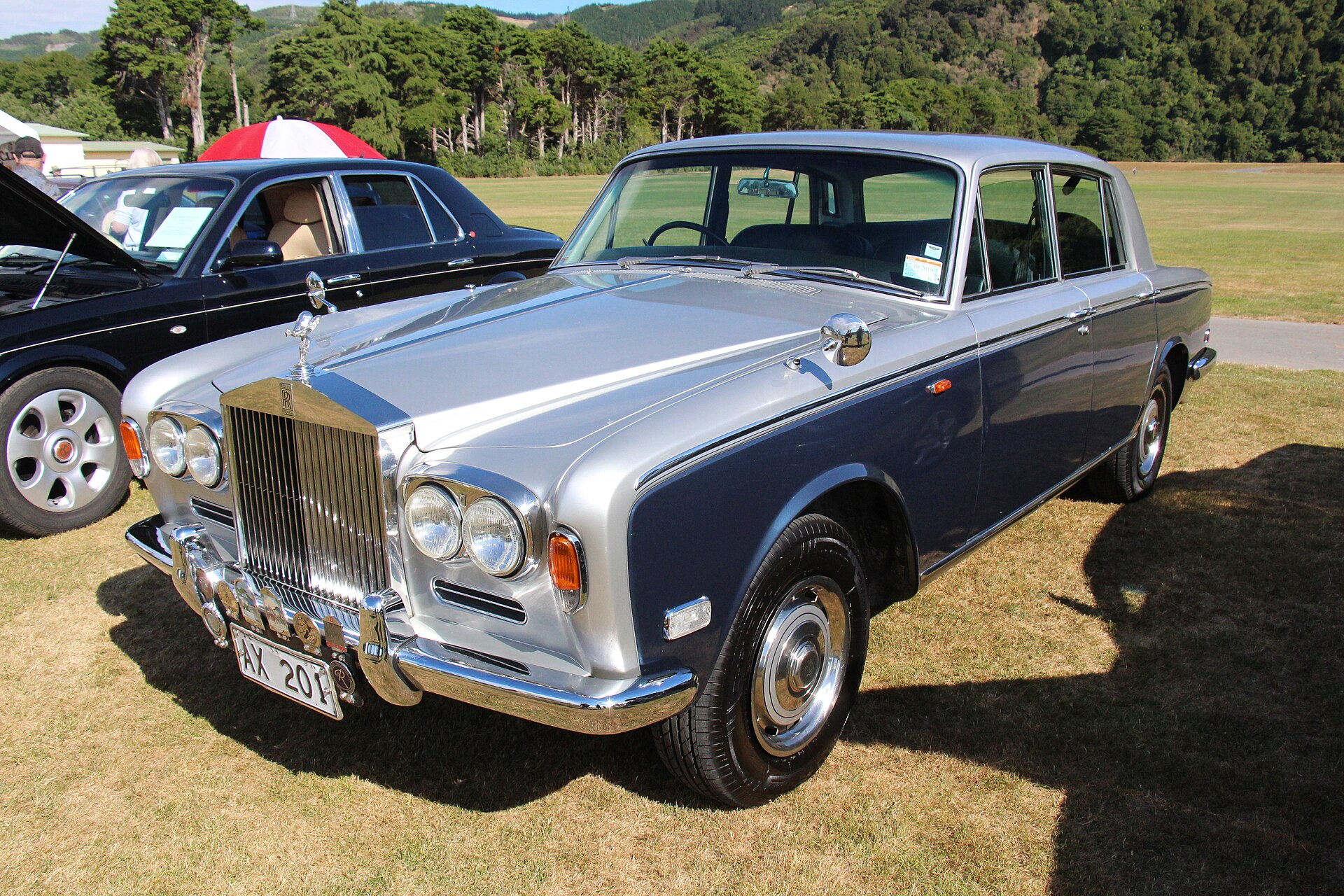
The Rolls-Royce Silver Shadow, with a standard four-door 1970 model serving as our technical reference here, is a classic whose purchase price can be deceptive. Behind that upright grille lie soft leather, walnut veneer, and an attention to detail originally paid for by very wealthy customers. But a price tag of around $10,000 should be viewed as a possible entry point into a project—not a verified going rate for a sound example on today's Swedish market.
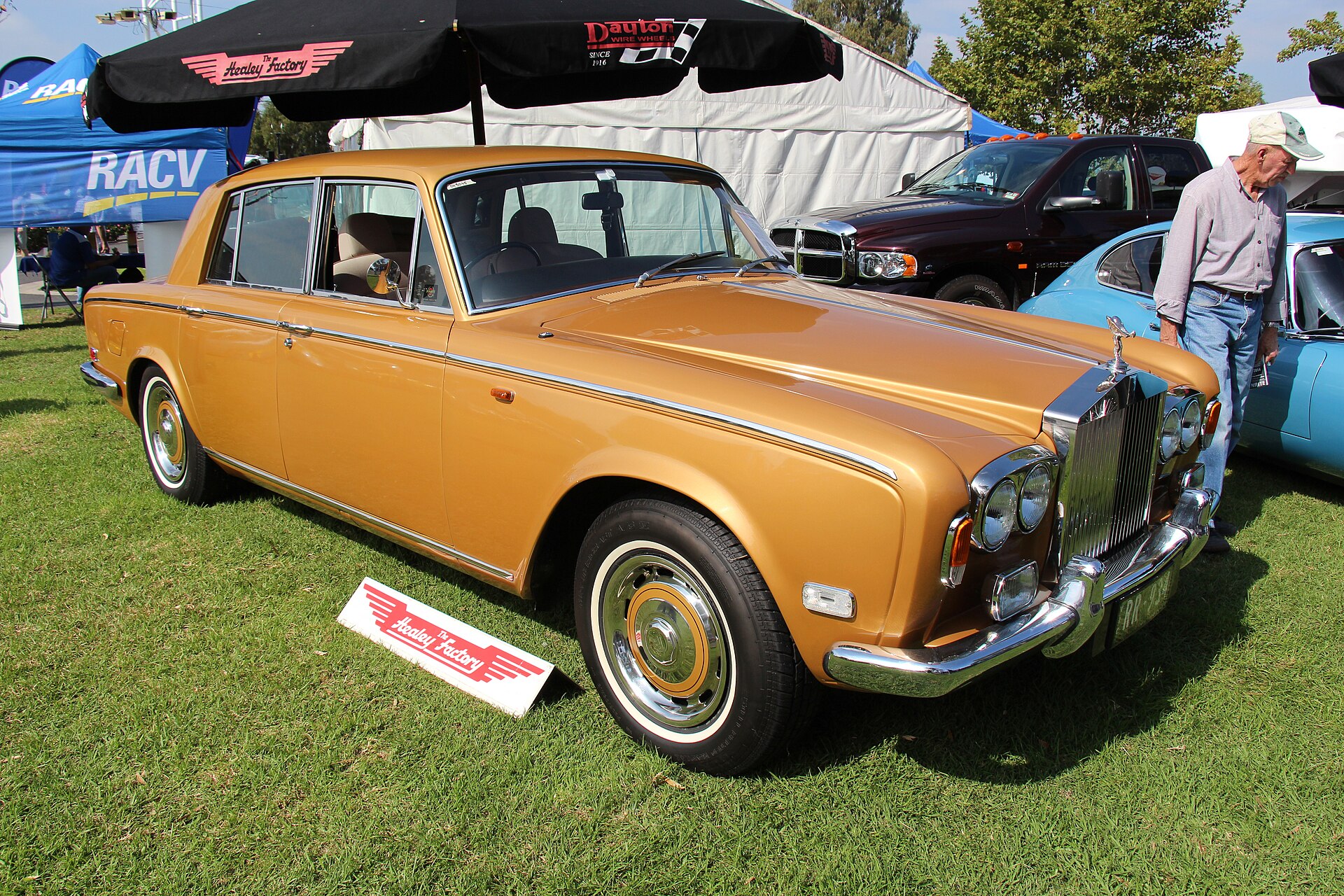
The Silver Shadow was built by Rolls-Royce in Crewe. The standard body was of unibody construction, not a separately commissioned coachbuilt body on a frame. The model was introduced in 1965 and replaced by the further-developed Silver Shadow II in 1977. Production of the latter continued until 1980.
The key is not finding the cheapest car, but one whose needs can be clearly defined. A worn driver's seat is visible and easy to understand. Neglected brake hydraulics or rust beneath a seemingly well-kept body can change the entire financial picture. Low mileage without a service history is not enough to establish a clean bill of health.
Start underneath, not with the paint
Have a shop with documented Silver Shadow experience inspect the car before you buy. A routine roadworthiness inspection is no substitute for that examination. Ask for a written assessment broken down into safety defects, necessary maintenance, and cosmetic wish-list items.
The body should be examined on a lift. Rocker panels, wheel arches, floors, and mounting points need checking, as do areas around the windows where water can collect. Examine previous repairs: properly shaped surfaces and fresh undercoating tell you nothing about what lies behind them. Rust in structural areas requires more than a cosmetic sheet-metal repair.
The Silver Shadow's distinctive character also extends beneath the skin. The brakes and self-leveling suspension use an advanced high-pressure system with engine-driven pumps and pressure accumulators. The specialist needs to check pressure buildup, warning-light operation, leaks, and component condition. The wrong fluid is a serious red flag; the system requires the specified RR363, not an arbitrary substitute.
Also test all the equipment: power windows, fans, heating, and air conditioning. Check the cooling system, hoses, and signs of overheating. An engine that idles smoothly does not mean the car is fully restored.
The cabin deserves the same scrutiny. Cracked lacquer over the wood veneer may require specialist work. Dry, torn leather cannot be restored with a jar of conditioner. Preserve sound original materials wherever possible; a complete retrim can be disproportionately expensive relative to the car's value.
How to keep it in shape
If the history is unclear, begin ownership with a documented baseline service. Follow the workshop manual's intervals and specifications for the exact model year and chassis number. The brake system, fluids, filters, lubrication points, cooling, and ignition all need to be part of the plan. Do not replace parts on a hunch before faults have been diagnosed.
Dry, ventilated storage and regular use help keep the car roadworthy. Drive it until it is fully warmed up rather than just starting it briefly in the garage. Wash off road grime, keep drains clear, and address small leaks before they cause further damage. Avoid salted winter roads if long-term preservation is the goal.
Parts are still available. British suppliers Flying Spares and IntroCar offer extensive ranges for the model, but availability and quality vary by component. Always provide the chassis number when ordering. Shipping, Swedish import VAT, and any customs duty need to be factored into purchases from the United Kingdom.
The Rolls-Royce Enthusiasts’ Club and its Swedish section are useful sources of owner knowledge and shop recommendations. Then choose a shop based on actual experience with the model. Hydraulics, bodywork, wood, and leather may require different specialists.
Is it a good deal?
There is no credible fixed annual cost without knowing the car's condition and how far it will be driven. Distinguish between routine servicing and deferred maintenance: an oil change tells you almost nothing about the cost of restoring the brake system or repairing rust. Get separate estimates before buying, not afterward.
With a purchase price of $10,000, your finances should also be able to absorb a major repair bill. If the purchase uses up your entire car budget, the car is too expensive, regardless of the advertised price. Check the insurance terms as well, and budget for storage.
Caring for a sound Silver Shadow can be wiser than rescuing the cheapest one. Documentation, originality, and professional workmanship enhance the car's appeal, but restoration costs are not automatically recovered at resale. The best deal is often a car that is already well maintained—bought to be driven and enjoyed, not as a guaranteed investment.
Sources
- Rolls-Royce, Silver Shadow and Bentley T Series Workshop Manual (TSD 2476)
- Flying Spares, Flying Spares
- IntroCar, IntroCar
- Rolls-Royce Enthusiasts’ Club, Rolls-Royce Enthusiasts’ Club
Ask questions about “A Rolls-Royce for $10,000—bargain or costly restoration?”. Answers are based on the magazine's own articles.