Plymouth Touring Sedan 1939 – an everyday car with big ambitions
An American family sedan from an era when comfort became a selling point for more buyers.
With a six-cylinder engine, a roomy body, and a price aimed at ordinary car buyers, Plymouth wanted to deliver more car for the money. The 1939 Touring Sedan tells the story of a brand that challenged Ford and Chevrolet—and of the details that determine the value of a surviving example.
 By Lars EkströmEditor-in-chief · Vintage cars and automotive history
Translated from Swedish with the help of AI.
A Plymouth for longer family trips
When an American car buyer walked into a Plymouth dealership ahead of the 1939 model year, he encountered a brand that had already become an established competitor to Ford and Chevrolet. Plymouth had been launched in 1928 as Chrysler Corporation's low-priced brand. A little over ten years later, selling cars was no longer just about offering cheap transportation, but about winning families over with space, comfort, and solid construction.
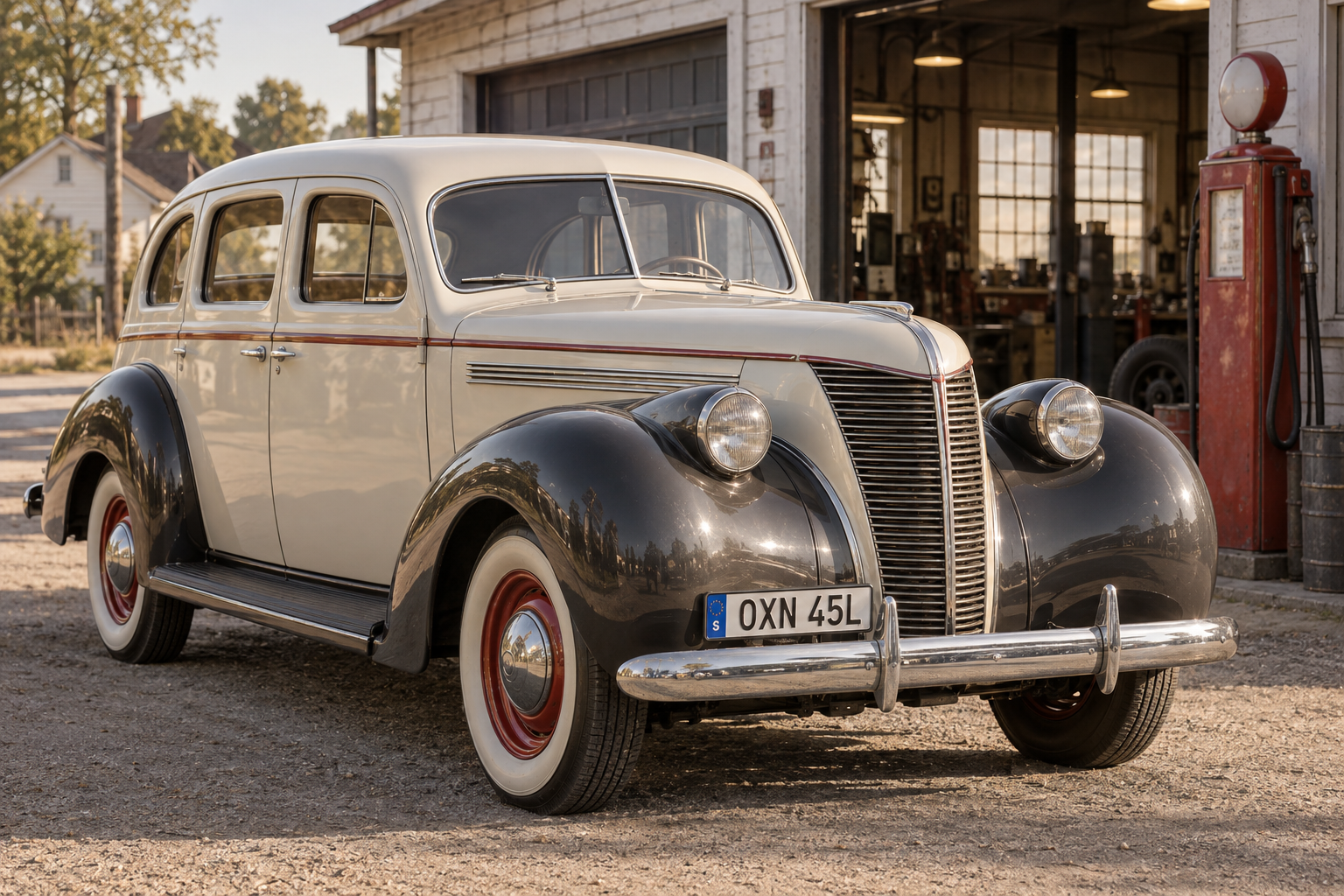
The car here is a 1939 Plymouth Touring Sedan with a gasoline-powered six-cylinder engine, a manual transmission, and rear-wheel drive. The supplied information lists a displacement of 3.3 liters and 82 horsepower, consistent with the model year's basic engine specification. However, no chassis number or series information is provided. That matters: Plymouth offered both the P7 Roadking and the more upscale P8 De Luxe, and the Touring Sedan designation alone is not enough for a complete identification.
Touring here referred to a sedan with a trunk integrated into the rear bodywork, not a special racing version. This was a car for everyday errands and longer family trips, when suitcases needed to come along without taking up passenger space. It was built as a regular factory model, not as a custom-bodied car.
Six cylinders and straightforward engineering
Under the hood sat a flathead inline-six. The valves were located in the engine block beside the cylinders, a layout that allowed for a simple cylinder head and was familiar technology for its day. Plymouth was not seeking attention here through advanced engine technology. The appeal lay instead in smooth running, usable pulling power, and mechanicals that repair shops knew how to work on.
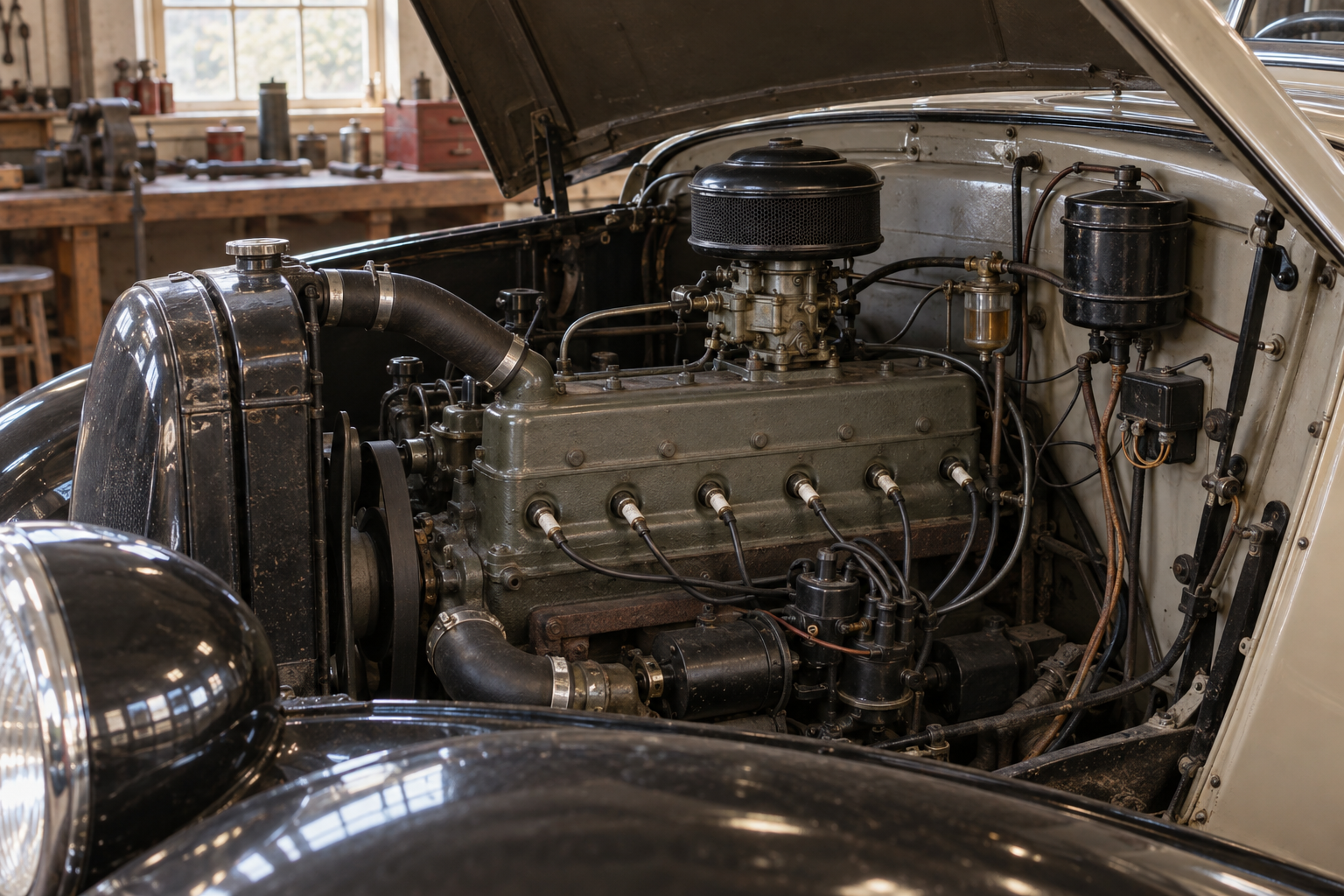
The stated power output needs to be read in its historical context. American horsepower ratings from the period are not directly comparable with today's net ratings. The figure therefore primarily describes the car's place in its own era, not how it would fare in a modern performance comparison.
Plymouth had made hydraulic brakes a selling point early on. On its 1939 cars, they were combined with drum brakes and conventional rear-wheel drive. The transmission had three forward speeds. For a mechanic, the design meant familiar service tasks: ignition, carburetor, lubrication, and brake adjustment were all part of the car's routine care.
The editorial team has not test-driven this example. Its intended role is clear nonetheless: comfortable passenger transportation rather than sporty driving. In today's traffic, its use needs to be adapted to older brakes, tires, and safety equipment. Just because a car can reach a certain speed does not mean it should be driven that fast in all conditions.
Styling between two decades
The body captures an interesting moment in American automotive design. The separate forms of the thirties remain in the pronounced fenders and tall passenger compartment, while the hood, front end, and rear are increasingly tied together. The headlights are recessed into the front fenders rather than standing as separate lamps beside the radiator.
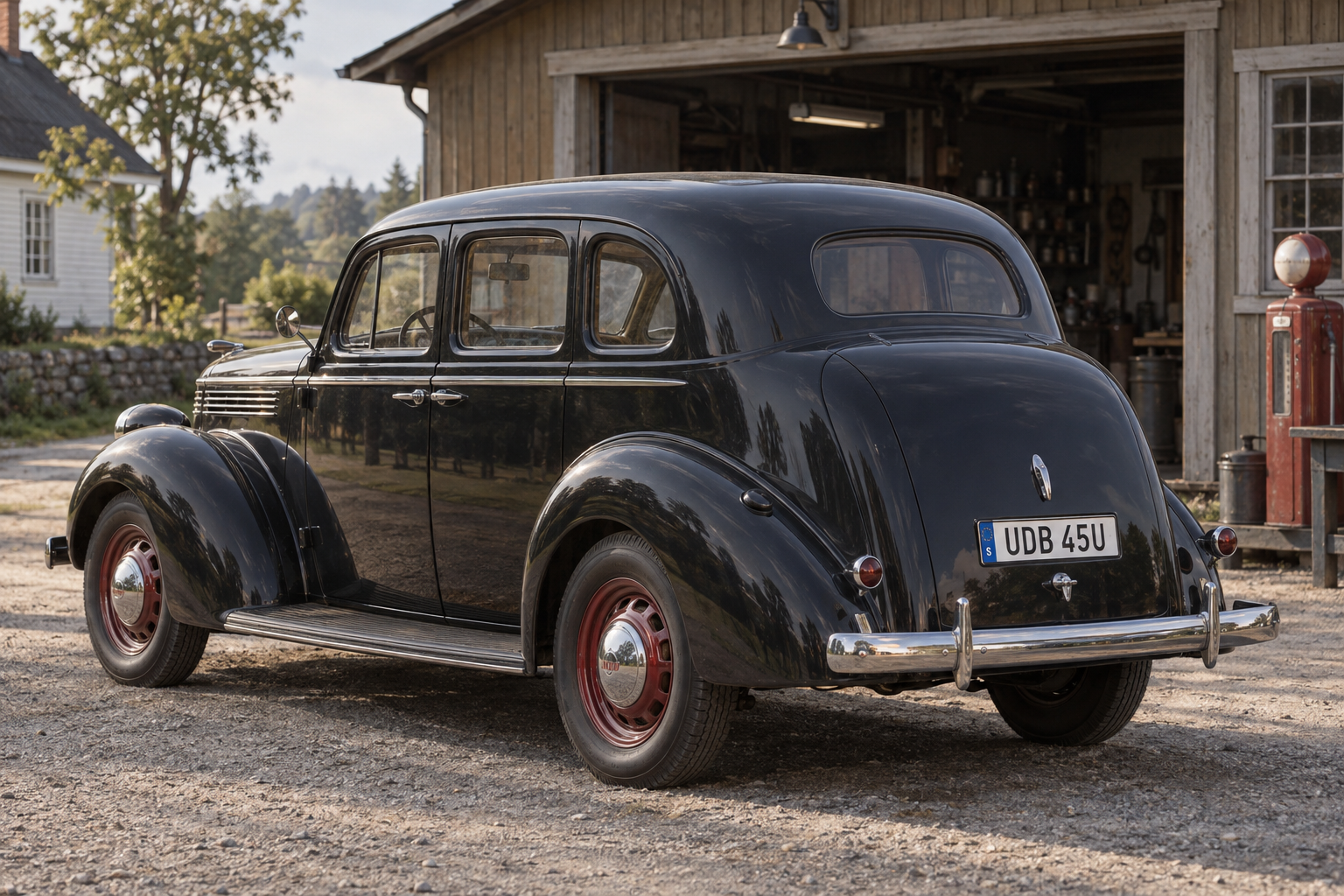
This gives the Plymouth a more modern face without erasing its prewar character. The upright seating position and body height also reveal priorities different from those of a present-day sedan: passengers needed room, relatively easy entry, and space to travel with their belongings.
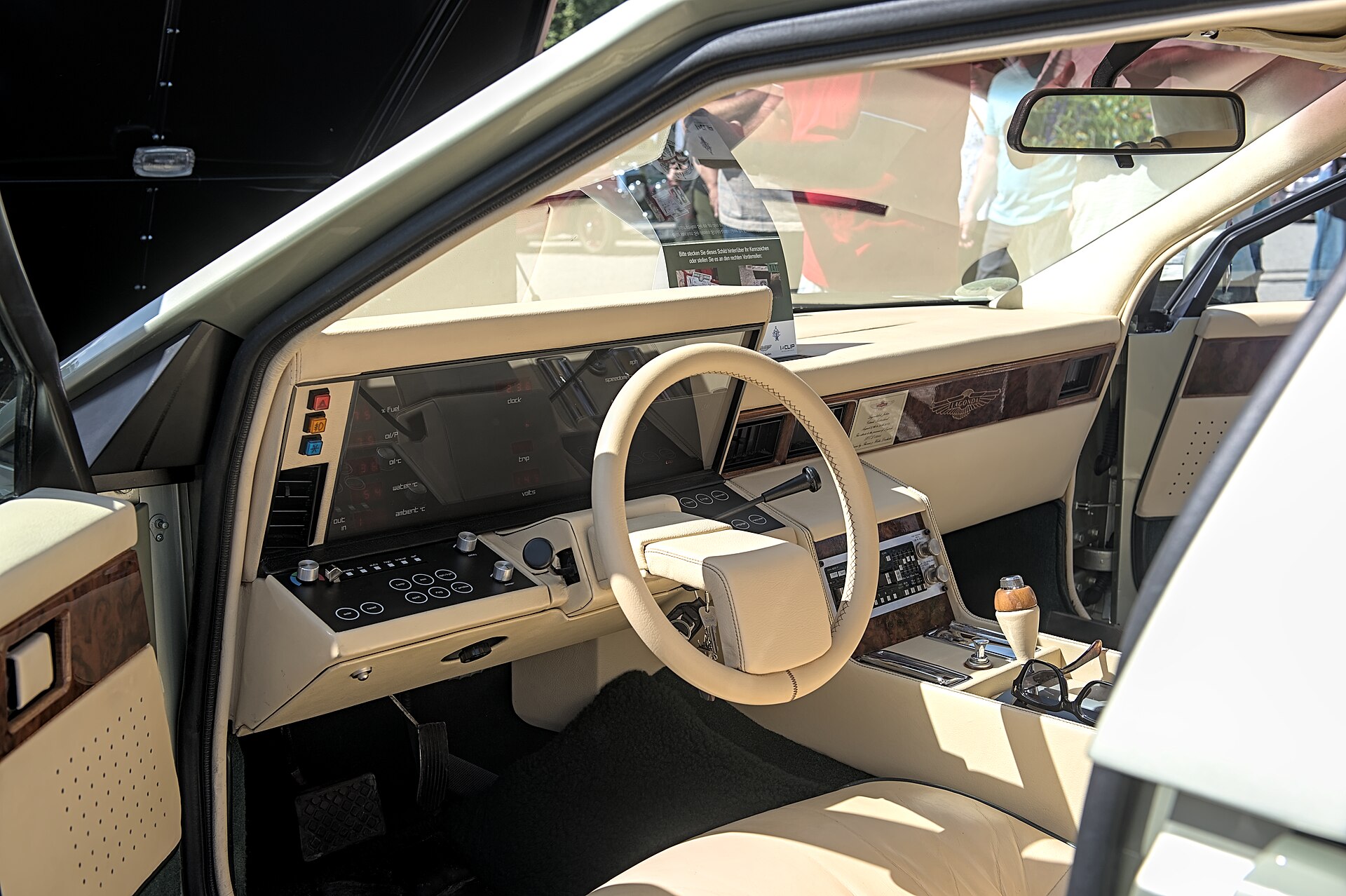
For this particular car, there are no photographs or documentation of the interior, paintwork, or previous work. Its originality therefore cannot be assessed. The color combination, upholstery, instruments, and trim need to be checked against the correct series and factory specification. A shiny finish is no proof of an accurate restoration; sometimes a preserved detail says more than fresh chrome.
History determines collector value
The supplied information lists 12 345 mil and a weight of 1 450 kilos. Both figures need to be verified. On an American car, the odometer may be calibrated in miles, and its reading does not automatically establish how far the car has traveled over its entire life. The weight should be checked against the registration documents and the specific body style.
No sale price or documented ownership history is provided. A valuation must therefore begin with an inspection of the example itself: frame and body, braking system, engine condition, and how complete the car is. Model-specific moldings and interior parts can require considerably more searching than ordinary service parts.
For a Swedish enthusiast, much of the charm lies in that very ordinariness. The Plymouth was not an unattainable dream car when it was new. It was meant to work, carry the family, and justify its cost. Preserved with respect, it becomes a tangible reminder of the people who built, repaired, and used the car—long before anyone called it a classic.
Sources
- Beverly Rae Kimes och Henry Austin Clark Jr., Standard Catalog of American Cars 1805–1942 (1996)
- George H. Dammann, 70 Years of Chrysler (1974)
- Charles K. Hyde, Riding the Roller Coaster: A History of the Chrysler Corporation (2003)
Ask questions about “Plymouth Touring Sedan 1939 – an everyday car with big ambitions”. Answers are based on the magazine's own articles.