Volvo EX30: small car, big demands on the screen
Safety, range, and Swedish ownership costs for the 2024 model year
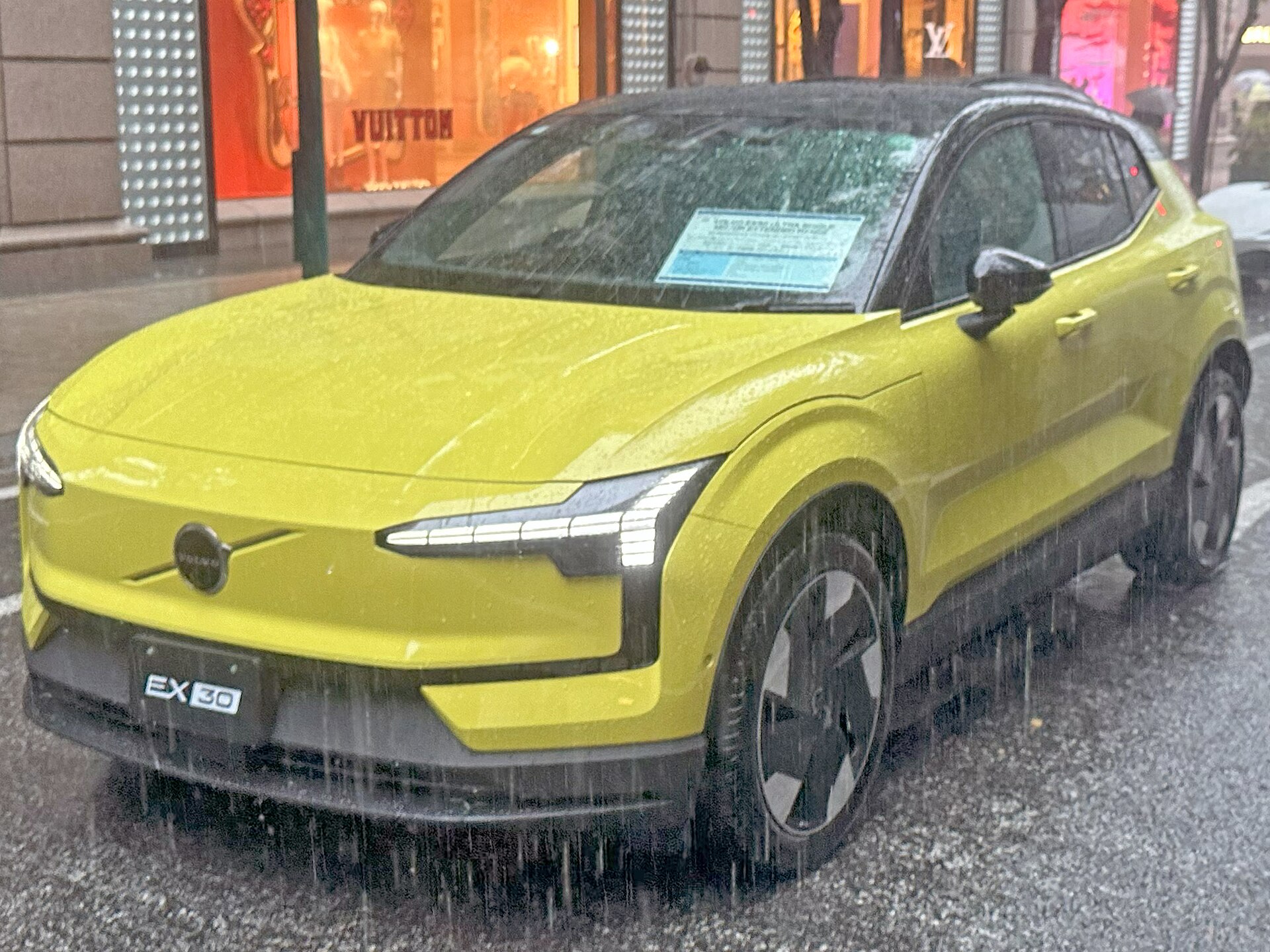
The Volvo EX30 makes the brand accessible in a smaller package. But behind its Swedish launch price of 429 000 kronor lie important choices: battery size, equipment, and a cockpit where almost everything revolves around the center screen.
 By Amir HaddadTechnology editor · Future cars and modern cars
Translated from Swedish with the help of AI.
A smaller Volvo with a different approach
The 2024 Volvo EX30 Single Motor is an electric compact SUV and the entry-level model in the EX30 family. When unveiled in June 2023, it was Volvo’s smallest SUV, not the smallest car in the brand’s history. At just over 4.23 meters long, it slots below the XC40 and targets buyers who want a Volvo that takes up less parking space.
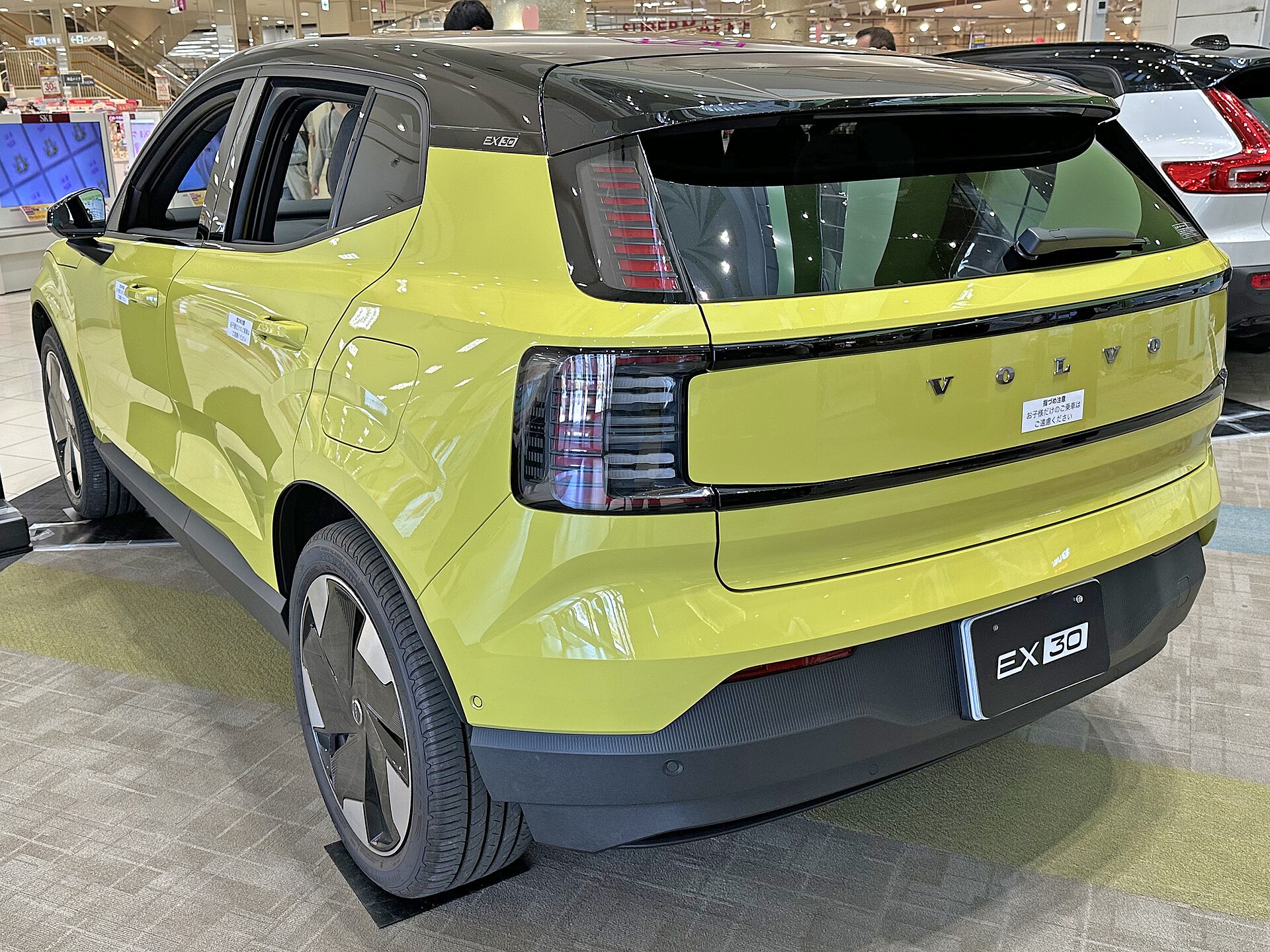
The EX30 is built on an EV architecture within the Geely group, sharing technical underpinnings with models including the Smart #1 and Zeekr X. In other words, it is not a shortened XC40. The European launch version was manufactured in China, while Volvo was responsible for the brand’s own design of the car and its features.
The lineup included Single Motor, Single Motor Extended Range, and the all-wheel-drive Twin Motor Performance. Those names matter when buying used: two seemingly identical EX30s can have different batteries, ranges, and charging capabilities. Here, the focus is on the rear-wheel-drive base version, with the larger-battery alternatives used for comparison.
Safety starts with the driver’s attention
The body has reinforcements around the battery and a structure designed to manage crash forces. An airbag between the front seats is intended to reduce the risk of occupants striking each other in a side impact. These are passive safety measures: they work when a crash is already happening.
The active systems, by contrast, try to prevent the incident. The EX30 includes automatic emergency braking and driver monitoring. A dedicated warning can alert someone opening a door to an approaching cyclist or other traffic. These systems have limitations and are no substitute for paying attention, particularly when sensors are obstructed or road markings are unclear.
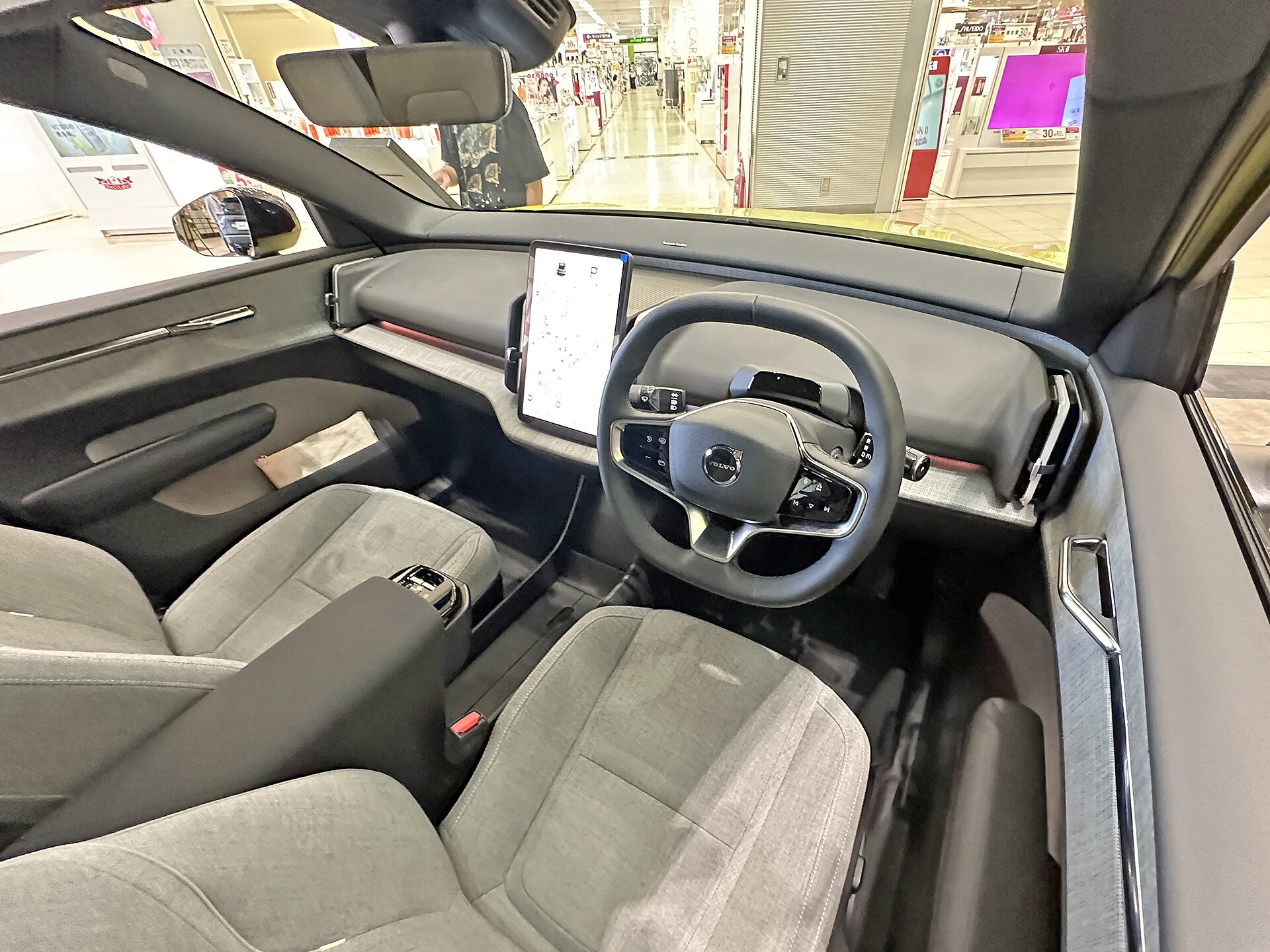
The cockpit also represents a clear departure from many older Volvos. There is no separate instrument cluster ahead of the steering wheel; speed is displayed on the portrait-oriented center screen. Many settings are accessed there, too. Google Maps and other built-in Google features bring navigation and services together, but the interface takes some getting used to.
This is worth trying before buying: can you read the speed naturally, change the temperature, and find the right menu without losing track of the road? Our editorial team has not test-driven the car. This assessment concerns its design and features, not our own driving impressions. Driver-assistance and parking features also need to be checked against the car’s trim level.
Range, charging, and everyday space
The Single Motor combines rear-wheel drive with a smaller LFP battery. The Extended Range uses a larger battery with a different cell chemistry. For the owner, the main differences are how far the car can travel between charging stops and how much energy needs to be replenished.
At launch, the quoted WLTP range was up to 344 kilometers for the Single Motor and up to 480 kilometers for the Single Motor Extended Range. These are standardized comparison figures, not promises for a winter highway trip. Speed, temperature, cabin heating, and wheel choice affect the outcome.
Fast charging does not work like a tap with a constant flow, either. Battery temperature and state of charge determine power, which normally drops as the battery fills up. Volvo’s figure of approximately 26 minutes from 10 to 80 percent for the base version assumes favorable conditions. Plan around the charging curve and allow a buffer for stops, rather than focusing solely on the maximum kilowatt figure.
The cabin prioritizes simplicity, with a soundbar at the base of the windshield and storage between the front seats. The rear seat and cargo area, however, call for realistic expectations. Try your child seat, stroller, and usual vacation luggage; the short body cannot offer the same room to spare as a larger family SUV.
Swedish pricing and costs after purchase
The Swedish launch price on June 7, 2023, started at 429 000 kronor for the EX30 Single Motor. That is a historical starting price, not a current quote or a blanket price for all 2024 models. A larger battery and higher trim level increased the purchase price.
A simple calculation illustrates the importance of charging costs: assuming 2.0 kWh per mil drawn from the outlet and 2 kronor per kWh, the cost is 4 kronor per mil. At 6 kronor per kWh, it becomes 12 kronor. These are budgeting assumptions that include charging losses, not measured EX30 consumption figures.
Insurance, tires, financing, and depreciation must also be factored in. Get a personalized insurance quote and check software updates, service history, and remaining warranties on used examples.
Compare it with the Smart #1 for a closely related alternative, the Jeep Avenger for similar exterior dimensions, and the Kia Niro EV for a stronger family focus. The EX30’s strongest selling point is its compact size. The deciding compromise is whether its space and screen-based controls suit your daily life.
Sources
- Volvo Cars, The new, fully electric Volvo EX30: the small SUV that does big Volvo things (2023)
- Volvo Cars, EX30 2024 – användarmanual (2024)
- Volvo Cars Sverige, Volvo EX30
Ask questions about “Volvo EX30: small car, big demands on the screen”. Answers are based on the magazine's own articles.